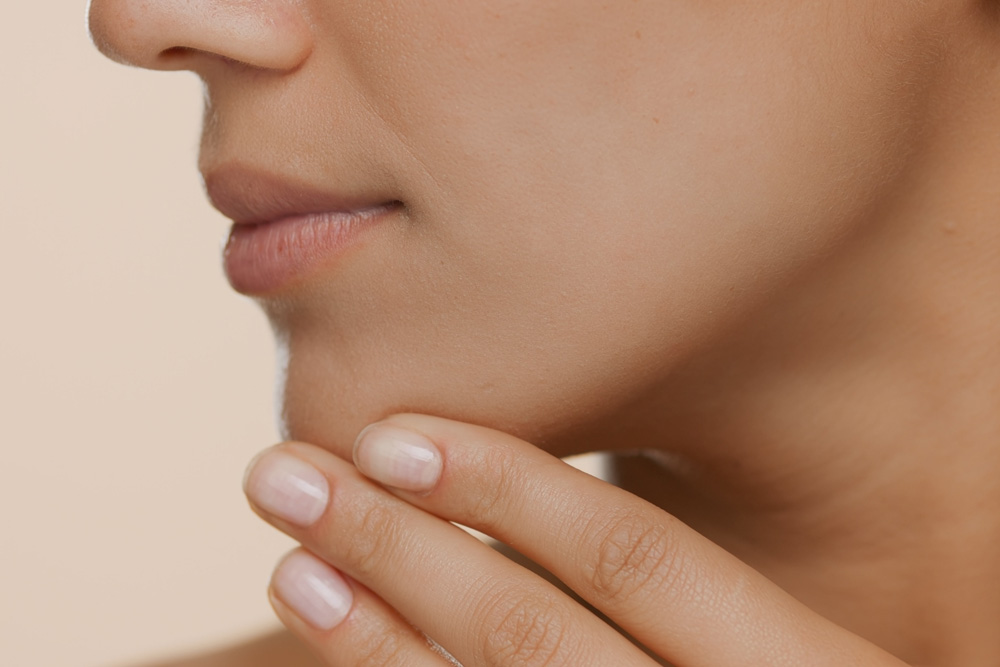
A facelift typically aims to enhance the appearance of the lower face and upper neck in order to create a tighter, more youthful look. When performed by an experienced surgeon, facelift surgery can revitalize a patient’s facial aesthetic.
Our board-certified Atlanta plastic surgeon, John Connors, MD, FACS, offers various advanced facelift techniques including deep plane face and neck lift procedures for Atlanta-area patients. To schedule a customized facelift consultation with Dr. Connors, we encourage you to contact Plastic Surgery Group of Atlanta.
Quick Facts About Facelift Surgery
- Sedation: General anesthesia
- Potential Benefits: A more youthful, revitalized facial aesthetic; dramatic reduction of age-related concerns in the lower face and upper neck
- Longevity of Results: Generally very long-lasting
- Recovery: Patients can usually return to regular activity within two weeks and strenuous exercise within six weeks



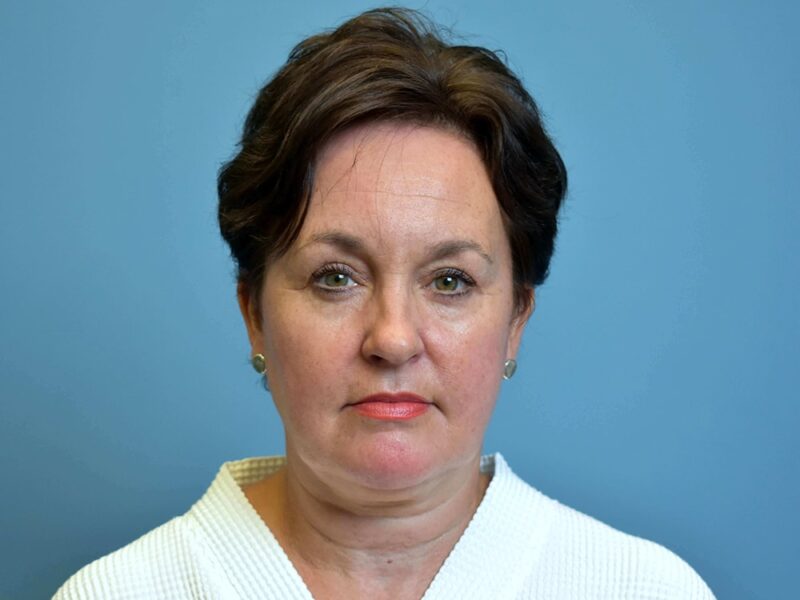
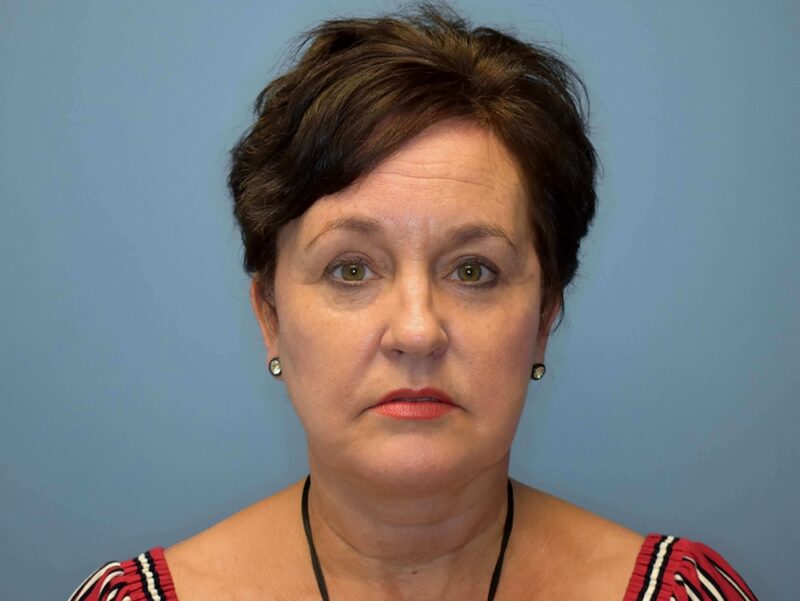
Am I a Candidate for Facelift Surgery?
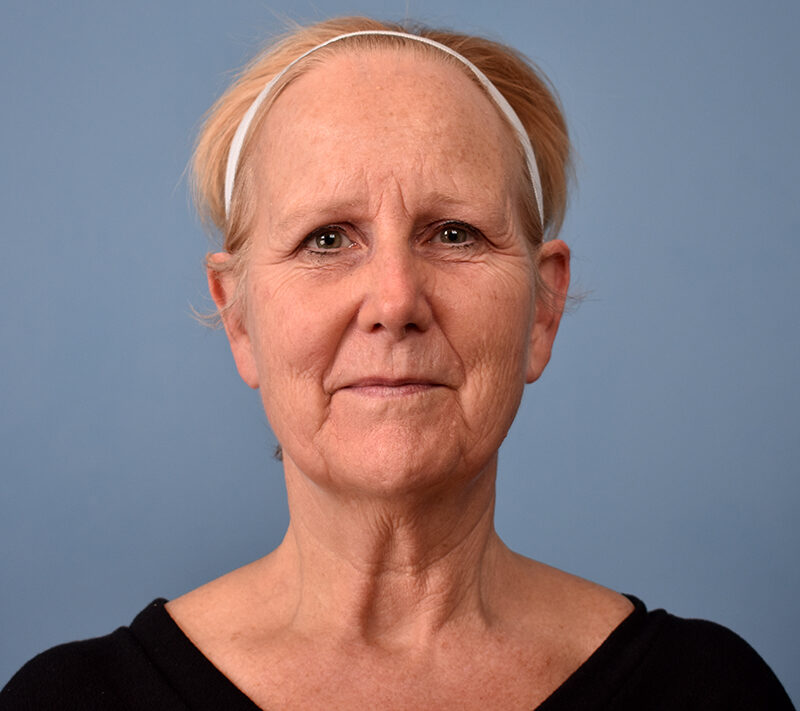
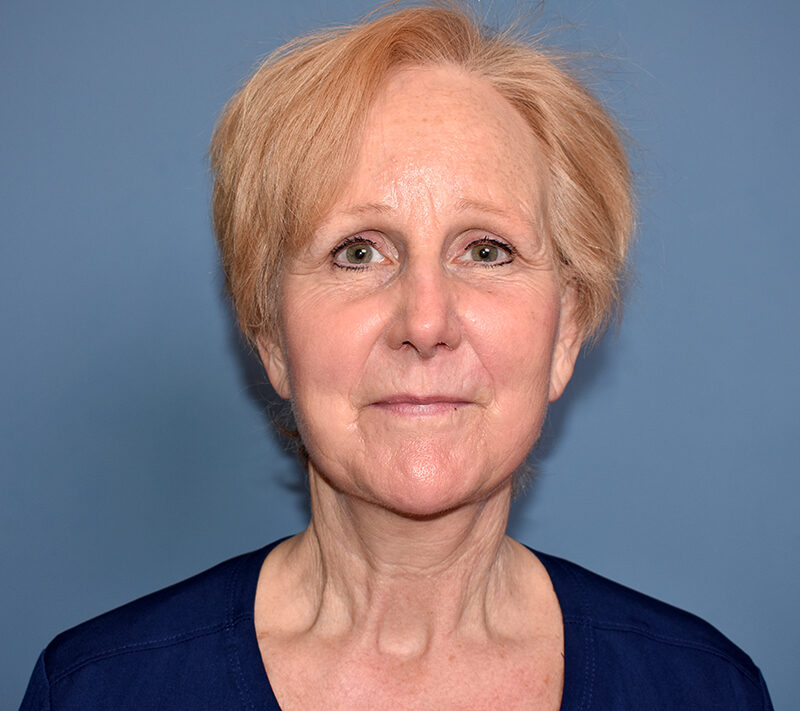
Often, candidates for facelift surgery wish to address visible skin laxity around the cheeks, under the eye, and surrounding the jaw. Facelift surgery can target one or more areas, depending on your unique goals for your face and overall appearance. Further, a facelift candidate should be physically healthy, be a non-smoker, and approach the procedure with practical result expectations, understanding the risks and benefits and how they apply to their own individual case.
What Is the Ideal Age for Facelift Surgery?
The common age range for patients who undergo a facelift is 50-70. Younger patients (40-50 years old) generally have stronger skin elasticity, so their results may last longer than those of someone older. With the increased use of medical weight loss (GLP-1), many patients who have lost a significant amount of weight have been undergoing this surgery at a younger age. These patients, or those older than 60, can sometimes achieve more dramatic-looking results, which can make this procedure very worthwhile for them.
Candidates should understand that age does not necessarily dictate the most effective time to seek out a facelift. The amount of skin laxity present is generally the primary component in the planning process. Moreover, Dr. Connors will perform a thorough evaluation of your physical health before moving forward with facelift surgery.

Facelift vs. Neck Lift Surgery
Because the lower face and upper neck are in such close proximity, neck lift strategies are almost always included in facelift surgery. A neck lift aims to refine the area beneath the chin and along the neck and can correct loose skin, muscle banding, excess fat, and other aesthetic concerns. Combining a facelift with a neck lift can create a more balanced and comprehensive rejuvenation, enhancing both the facial profile and the transition between the jawline and neck.
With this in mind, your care does not need to include neck lift techniques if they do not align with your aesthetic goals. During your preoperative appointment, Dr. Connors will evaluate your anatomy and create a plan to provide the most harmonious results.
Complementary Procedures to Facelift Surgery
To enhance and refine the results of a facelift, many patients choose to incorporate additional cosmetic treatments into their treatment plan. As explained above, facelift surgery is very often combined with neck lift surgery. It can also be accompanied by other facial aesthetic surgeries, such as neck and chin liposuction, facial fat grafting, brow lift surgery, and blepharoplasty. Non-surgical options, like ablative lasers and chemical peels, can also be performed to further enhance the skin’s texture, tone, and overall appearance.

How Is a Facelift Performed?
There are various techniques used today to perform a facelift. Facial anatomy, skin laxity, and the aesthetic goals of the patient will determine the best approach. Each procedure will be unique to the patient and will vary based on the type and location of the incision, the number of tissue layers affected, the plane of elevation, and the level of invasiveness.
“Deep Plane” Facelift
The “deep plane” technique involves a complex lifting and repositioning of the deeper layers of muscle and tissue. Generally requiring a small incision under the chin, a deep plane facelift can provide a smoother and more youthful-looking improvement.* The deep plane method is highly nuanced and should only be entrusted to top quality plastic surgeons with extensive training and knowledge of facial anatomy.
Traditional (SMAS) Facelift
An SMAS facelift can produce dramatic and long-lasting effects. The technique involves manipulating a group of muscles beneath the skin known as the superficial musculo-aponeurotic system (SMAS), which controls facial expression. The surgeon typically places an incision along the hairline from the temple to just behind the earlobe before separating and lifting skin as needed. From there, the surgeon can tighten and secure the underlying muscles and tissue so they maintain their new position.
“Mini” Facelift
A mini facelift is geared towards patients who want some of the benefits of a facelift, while at the same time minimizing the cost and invasive nature of the surgery. Some procedures that are considered “mini” include the “Quicklift” or “Lifestyle Lift.” Patients who wish to maximize the outcome of their surgery, resulting in the most dramatic results, will most likely need to opt for a full facelift in order to meet these aesthetic goals.
All facelift procedures are performed under general anesthesia at an accredited surgical facility. The length of the surgery will vary, but it generally takes between three to four hours. Although this surgery is considered an outpatient procedure, some patients may be required to stay overnight in the hospital.
Is the Deep Plane Facelift Technique Superior?
The deep plane facelift has received significant attention in recent years, with some sources suggesting it is the most advanced or effective facelift technique. While it can be a powerful method in the right circumstances, it is not automatically the best choice for every patient.
When performed by an experienced plastic surgeon like Dr. Connors, the deep plane strategy often allows for more extensive repositioning of certain areas of the face, particularly in patients with significant tissue descent. In appropriate candidates, the technique can improve midface rejuvenation and reduce tension on the skin as it heals.
However, successful facial rejuvenation depends far more on surgical planning and technique selection than on any single method. Skilled plastic surgeons utilize a variety of facelift strategies – including deep plane, SMAS-based lifts, and other approaches – depending on each patient’s unique anatomy and aesthetic goals. Rather than relying on one universal method, Dr. Connors tailors every facelift procedure to the individual.
What Does Recovery from Facelift Surgery Entail?
After surgery, patients will likely be bruised and swollen and the face and neck will feel tight and pulled. Patients will often look very swollen and pulled for the first two weeks after surgery. Once the swelling and bruising subsides, the soft tissues will begin to relax and the “new you” will become visible. You should refrain from smoking during your recovery, as tobacco can interfere with wound healing and even affect your surgical results.
You will likely be directed to attend a follow-up visit between three and seven days after the procedure. At this appointment, your surgeon will evaluate you to determine that you are healing properly.
Will the Results of My Facelift Look Natural?
It is common for patients to worry that their facelift results will appear “tight” or “unnatural.” While it can take several full months for the final results to appear, be aware that this “tight” effect may be the cause of treatment provided by less experienced or skilled facelift surgeons. As such, it is important to find a reputable surgeon skilled in facial surgery. Surgeons who know what they are doing will make every effort to work within the confines of the patient’s bone, skin, and muscle structures so a younger, more natural look can result.
Dr. Connors is proficient in various methods of facelift surgery – including the very popular “deep plane” strategy, which is widely known to produce natural-looking effects. Our surgeon is committed to creating a natural result that meets the patient’s aesthetic goals.

Does Facelift Surgery Cause Scarring?
Facelift surgery does require incisions; however, in almost all cases, scars can be well hidden as they fall just along the hairline and around the ears in the natural folds of the scalp. Our surgeon will take every precaution possible to place the incisions in inconspicuous locations, and in most cases, the scars should be barely visible to the naked eye.
Is There a Non-Surgical Alternative to a Facelift?
Certain non-surgical procedures can assist in smoothing out wrinkles, improving fine lines, adding facial volume, and evening out skin tone. These include BOTOX® Cosmetic, injectable fillers, microdermabrasion, and chemical peels. Please note, however, that these treatments typically only affect the skin’s surface, and the results are not developed to last for years at a time (as is the case with facelift surgery). Patients with loose skin, drooping jowls, or a sagging neck may need to consider surgery if they want these features improved.
Facelift FAQs
Is facelift surgery painful?
Facelift surgery is performed under anesthesia, so patients should not experience discomfort during the procedure itself. Following surgery, it is common to notice mild to moderate swelling, bruising, and tightness as tissues heal; however, these sensations are usually temporary. Rest assured that Dr. Connors will provide detailed postoperative instructions and ongoing support to help make your recovery as comfortable as possible.
Does facelift surgery always include a neck lift?
Facelift surgery does not always include a neck lift, but the two procedures are frequently performed together to achieve a more harmonious appearance. Since the lower face and neck are closely connected, many patients opt to address sagging skin, wrinkles, and excess fat in both areas simultaneously.
How can I reduce swelling after facelift surgery?
Swelling is a normal part of the recovery process following facelift surgery, but it can be managed with proper care. Applying cold compresses, keeping your head elevated, staying hydrated, and following your postoperative instructions can help reduce swelling more quickly.
Is a facelift different for men versus women?
Men and women frequently have distinct cosmetic goals when it comes to facelift surgery (as well as facial rejuvenation in general). Males often desire a defined, sturdy jawline and profile, whereas females usually want to enhance softness and contour. Furthermore, your facelift results will be tailored to align with your unique goals; if you so desire, your gender identity can play a role in the final result.
To learn more about facelift surgery, contact our practice today to schedule your consultation.