
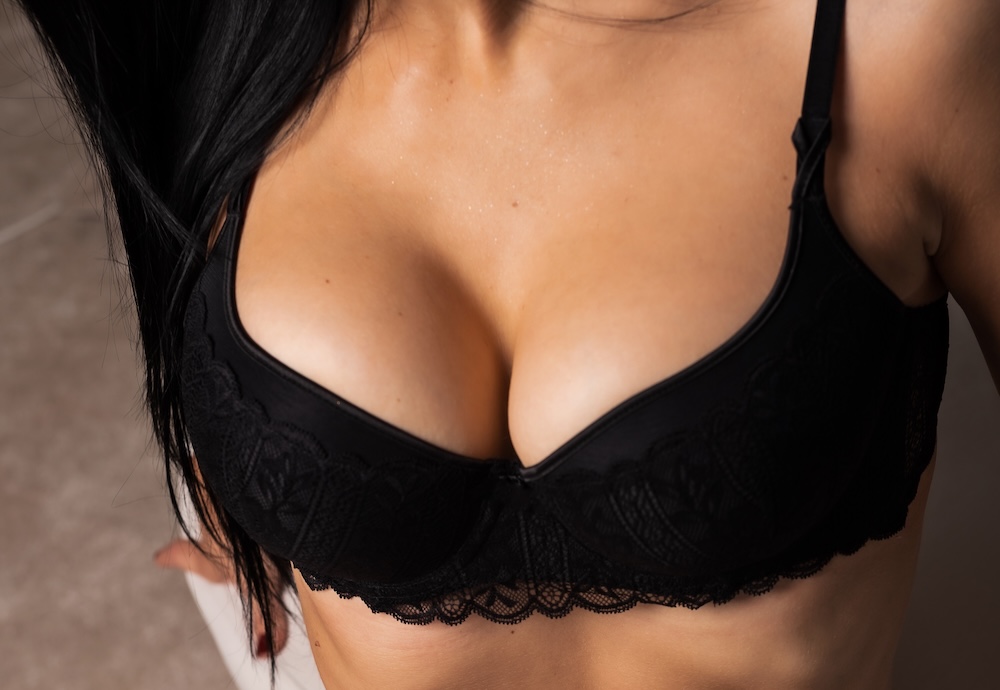
Overly large breasts can result from genetics, hormonal changes, weight fluctuations, pregnancy, or certain medical conditions. When breast size leads to discomfort or lifestyle limitations, procedures like breast reduction, breast lift, or a mommy makeover can help restore balance and improve quality of life.
For many women, breast size is simply a natural part of their body shape. However, when breasts become disproportionately large, they can lead to physical discomfort, emotional distress, and limitations in daily life. Understanding what causes overly large breasts can help patients make informed decisions about treatment options, including surgical procedures such as breast reduction, breast lift, or a mommy makeover.
Dr. John Connors, a board-certified plastic surgeon at Plastic Surgery Group of Atlanta, works closely with patients to identify the underlying causes of their overly large breasts and recommend personalized solutions designed to restore balance, comfort, and confidence.
Genetic Factors
One of the most common causes of overly large breasts is genetics. Just as height, eye color, and body shape are inherited traits, breast size is often influenced by family history. If close relatives, such as a mother or grandmother, have larger breasts, there is a greater likelihood that this trait will be passed down.
Genetically larger breasts may develop during puberty and continue to grow into early adulthood. In some cases, breast tissue may be denser or more glandular, contributing to increased volume and weight. While genetics cannot be changed, patients who experience discomfort from hereditary breast size often explore options like breast reduction surgery to achieve a more proportionate figure.
Hormonal Changes
Hormones play a major role in breast development and fluctuations in size throughout a woman’s life. Estrogen and progesterone, in particular, can influence the growth of breast tissue.
Several life stages and conditions can lead to noticeable increases in breast size:
- Puberty: Rapid hormonal changes can cause significant breast development, sometimes resulting in disproportionately large breasts at a young age.
- Pregnancy: Hormonal shifts prepare the body for breastfeeding, often causing breasts to enlarge and become heavier.
- Menstrual cycles: Temporary swelling and fullness may occur due to cyclical hormonal changes.
- Menopause: While some women experience a decrease in breast volume, others may notice changes due to hormonal imbalance or weight redistribution.
In certain cases, hormonal sensitivity can lead to excessive breast growth beyond what is considered typical. When this causes discomfort, surgical intervention such as breast reduction or a breast lift may be considered.
Weight Fluctuations
Breasts are composed of both glandular tissue and fat, meaning that changes in body weight can directly impact breast size. Weight gain often leads to an increase in breast volume, while weight loss may reduce it.
However, weight loss does not always resolve the issue of overly large breasts. In some cases, patients are left with excess, stretched skin and sagging tissue. This is where a breast lift can be beneficial, as it reshapes and repositions the breasts for a firmer, more youthful contour. For patients who still have excessive volume after weight loss, combining a breast lift with a breast reduction may provide optimal results.
Pregnancy and Breastfeeding
Pregnancy and breastfeeding can significantly alter the size, shape, and position of the breasts. Many women experience enlargement during pregnancy, followed by volume loss and sagging after breastfeeding.
For some, breasts remain enlarged even after hormonal levels stabilize. Additionally, stretched skin and weakened supportive tissues can contribute to a heavy, drooping appearance.
These changes are often addressed as part of a mommy makeover, a customized combination of surgeries designed to restore a woman’s body after pregnancy. Breast reduction may be included to decrease volume, while a breast lift can improve shape and positioning. Together, these breast procedures can help patients achieve a more balanced and rejuvenated look.
Certain Medical Conditions
In rare cases, excessively large breasts may be caused by underlying medical conditions. One example is gigantomastia, a condition characterized by rapid and extreme breast growth. This may occur during puberty, pregnancy, or even without a clear trigger.
Other conditions, such as hormonal disorders or side effects from certain medications, may also contribute to abnormal breast enlargement. When a medical cause is suspected, a thorough evaluation is essential to determine the appropriate course of action.
Physical and Emotional Impact
Overly large breasts can affect more than just appearance. Many women experience physical symptoms, including:
- Chronic neck, shoulder, and back pain
- Skin irritation or rashes beneath the breasts
- Grooving from bra straps
- Difficulty exercising or finding properly fitting clothing
In addition to physical discomfort, emotional concerns, such as self-consciousness or unwanted attention, can impact overall quality of life.
For patients dealing with these challenges, breast reduction surgery can offer significant relief by removing excess tissue and reshaping the breasts to better suit the body’s proportions. Many women report improved comfort, mobility, and confidence following this procedure.
Exploring Treatment Options
The best approach to treating overly large breasts generally depends on the underlying cause, as well as a patient’s individual goals and anatomy. During a consultation, Dr. Connors evaluates each patient’s concerns and recommends a tailored treatment plan.
Depending on your needs, treatment may include:
- Breast Reduction: Removes excess fat, glandular tissue, and skin to reduce breast size and alleviate discomfort.
- Breast Lift: Elevates and reshapes sagging breasts, improving contour without significantly reducing volume.
- Mommy Makeover: Combines procedures, such as breast reduction, breast lift, and body contouring, to address post-pregnancy changes.
These procedures can often be performed individually or in combination, depending on a patient’s needs.
A Personalized Path Forward
While overly large breasts can result from a variety of factors, including genetics, hormones, weight changes, and pregnancy, effective solutions are available. The key is identifying the cause and selecting the right treatment to achieve both functional relief and aesthetic balance.
With extensive experience and a patient-centered approach, Dr. Connors can help individuals navigate their options with confidence. Whether considering breast reduction for physical discomfort, a breast lift for improved shape, or a mommy makeover for comprehensive rejuvenation, patients can expect care tailored to their unique goals.
Key Takeaways
- Overly large breasts are commonly caused by genetics, hormonal changes, weight fluctuations, and pregnancy.
- Physical symptoms may include back, neck, and shoulder pain, as well as skin irritation.
- Breast reduction and breast lift procedures can improve comfort, proportions, and overall quality of life.
- A mommy makeover can address breast changes along with other post-pregnancy concerns for more comprehensive results.
If overly large breasts are affecting your comfort or quality of life, a consultation can be the first step toward a more balanced and confident you. Contact our practice today to schedule an appointment with Dr. Connors.